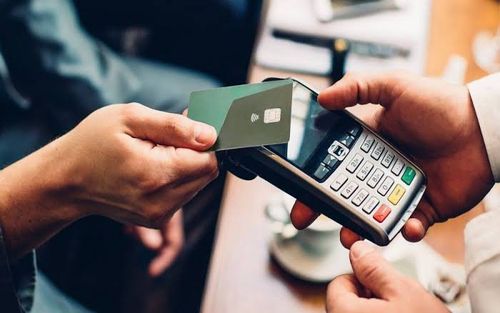
Rising digital payment volumes across Europe are less a trend piece than a reminder: customers increasingly expect card, wallet and online options to feel normal, fast and easy.
“Customers rarely remember a smooth payment, but they notice immediately when paying feels awkward, slow or limited.”
What the European digital payment shift means for merchants
Digital payment growth in Europe reflects a continuing move away from cash-first habits and towards card, wallet and online payment behaviour. That matters because it reflects changing expectations at checkout. For many customers, digital acceptance no longer feels like an extra feature. It feels like the default.
That does not mean every business needs every payment method. It does mean merchants should remove obvious friction wherever customers already expect speed and convenience.
What modern acceptance really means
A modern setup is not necessarily a complicated one. In most cases it means reliable card acceptance, strong contactless performance, a trustworthy online checkout where relevant, and a customer journey that does not create hesitation at the point of payment.
That standard becomes more important when a business serves mixed channels, takes bookings remotely or deals with customers who expect to move between in-person and online touchpoints without confusion.
Keep the experience consistent
Make sure the most common digital payment methods work wherever customers naturally expect them.
Prioritise reliability, speed and trust before chasing extra complexity.
Review whether online and in-person payment experiences feel joined up.
Choose providers that can support the channels you expect the business to grow into.
The merchant takeaway
The rise of digital payments is best treated as a long-term operating reality. The goal is not to look flashy. It is to make paying feel easy enough that the rest of your customer experience can do its job. If a business removes friction at checkout, it is usually closer to customer expectations than many competitors already.
Continue the journal read
Explore more merchant-first commentary on settlement, checkout fit, provider quality and switching confidence.
Faster, real-time rails are back on the UK payments agenda. For merchants, the useful question is less about policy language and more about how clearly providers explain access to funds.
Merchant lens
How clearly can your current provider explain when today's card takings become usable funds?
More regional payments activity means more choice, better access and sharper service for merchants — Essex's growing fintech profile is a practical prompt to review what competition looks like in your area.
Merchant lens
If more suppliers are competing locally, are you using that competition to get a better-fit payments setup?
As UK fintech firms invest more heavily in compliance, merchants get a clearer test of provider quality: can the business explain risk, service and customer protections in plain English?
Merchant lens
When you speak to a provider, do you leave better informed or just more sold to?